

Stomach Apron: Understanding and Addressing Excess Abdominal Skin
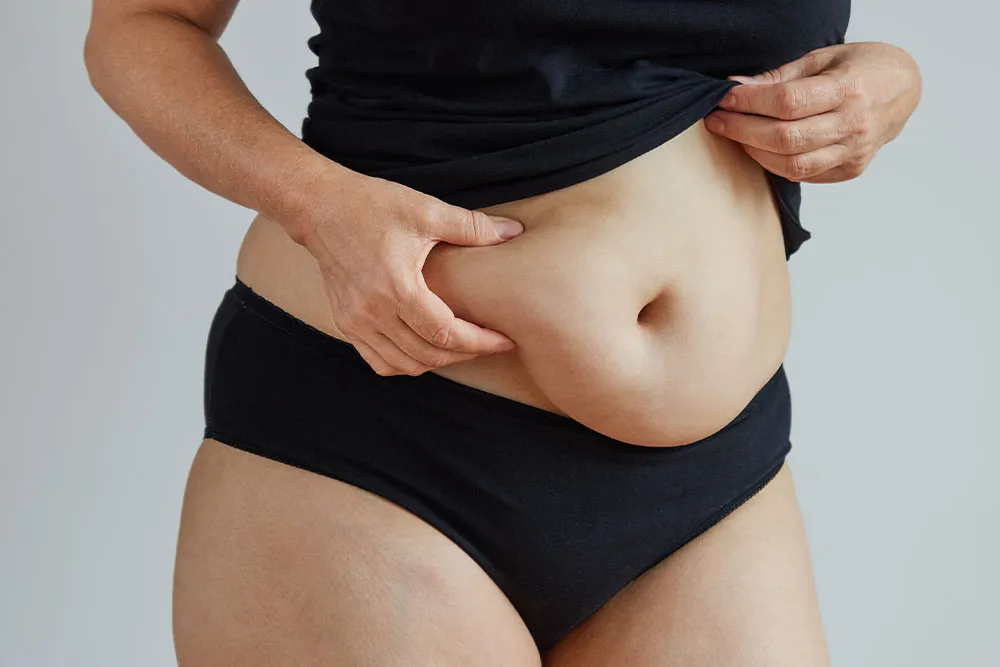
Introduction to Stomach Apron (Panniculus)
A stomach apron, medically known as a panniculus, refers to excess skin and fat that hangs down from the lower abdomen. This condition often arises after significant weight loss, pregnancy, or due to aging, causing both physical and emotional challenges.
What Causes a Stomach Apron?
Several factors contribute to the development of a stomach apron:
- Significant Weight Loss: Rapid or extensive weight loss often leaves behind stretched skin that cannot revert to its original elasticity.
- Pregnancy: Multiple pregnancies or a large pregnancy can stretch abdominal skin and muscles, causing permanent laxity.
- Aging: Skin naturally loses elasticity and collagen over time, leading to sagging in the abdominal area.
Health Issues Associated with a Stomach Apron
A stomach apron isn't just a cosmetic concern; it can also cause health issues such as:
- Skin irritation and infections beneath the skin fold
- Difficulty in mobility and performing daily activities
- Lower back pain and posture problems
- Emotional and psychological discomfort due to appearance
Effective Treatments for Stomach Apron
Various treatment options can address excess abdominal skin effectively:
Tummy Tuck (Abdominoplasty)
A tummy tuck surgically removes excess skin and fat, tightening abdominal muscles, providing immediate and permanent results.
Panniculectomy
This surgical procedure specifically targets the removal of the panniculus without muscle tightening, significantly improving comfort and mobility.
Non-surgical Treatments
Non-invasive procedures like radiofrequency skin tightening can offer mild improvements for minor cases, promoting collagen production and skin elasticity.
Choosing the Right Treatment
Treatment choices depend on several factors including:
- Severity of the condition
- Individual health status
- Personal goals and expectations
- Consultation with qualified plastic surgeons
Recovery and Post-Treatment Care
Recovery times vary based on the chosen treatment:
- Surgical recovery typically involves several weeks, with gradual return to activities.
- Non-surgical treatments usually have minimal downtime, with immediate resumption of regular activities.
Proper post-treatment care, including wearing compression garments and adhering to recovery guidelines, ensures optimal results.
Preventive Measures and Lifestyle Tips
Preventing or minimizing stomach apron involves:
- Gradual, sustainable weight loss
- Regular exercise, focusing on core strength
- Balanced diet to maintain healthy body weight
- Hydration and skincare routines to support skin elasticity
Emotional and Psychological Support
Dealing with a stomach apron can affect emotional well-being. Professional counseling or support groups provide emotional support, complementing physical treatments and enhancing overall recovery and confidence.
Cost Considerations for Treatment
Treatment costs vary widely depending on procedures and individual needs. Surgical treatments typically range between AUD $5,000 to $15,000. Detailed discussions with healthcare providers offer precise budgeting guidance.
This comprehensive guide provides valuable insights into stomach apron causes, treatments, preventive strategies, and emotional support, empowering you to address and manage this condition effectively.
Frequently Asked Questions
Exercise can strengthen muscles and reduce fat, but significant excess skin often requires surgical intervention for complete removal.
While surgery is most effective for significant cases, non-surgical treatments may offer improvements for minor conditions.
Recovery generally takes around four to six weeks, with full recovery and resumption of all activities typically within eight weeks.
Recurrence is unlikely if a stable weight and healthy lifestyle are maintained post-surgery.
Insurance might cover removal if deemed medically necessary, typically due to associated health problems. Consult with your insurance provider for detailed coverage information.